Cadenza Productions
Connecting artists & orchestras
Playing your music with an orchestra can be extraordinary. But it isn't extraordinary simply because there's an orchestra onstage.
I've heard countless collaborations between artists and orchestras and, frankly, many of them land flat. Too often, the orchestra becomes an expensive backdrop - adding strings, brass and scale, but never truly becoming part of the music.
The magic happens when artist and orchestra feel inseparable. Each has to make space for the other. Sometimes the orchestra supports. Sometimes it leads. And sometimes the two come together in a way that creates something neither could have created alone.
It's not about orchestration. It's about reimagination.
Cadenza bring those worlds together, at the intersection of artists and orchestras. I combine a deep connection to the music with an understanding of how orchestral performance actually works - from the first creative conversation to the moment everyone walks onstage.
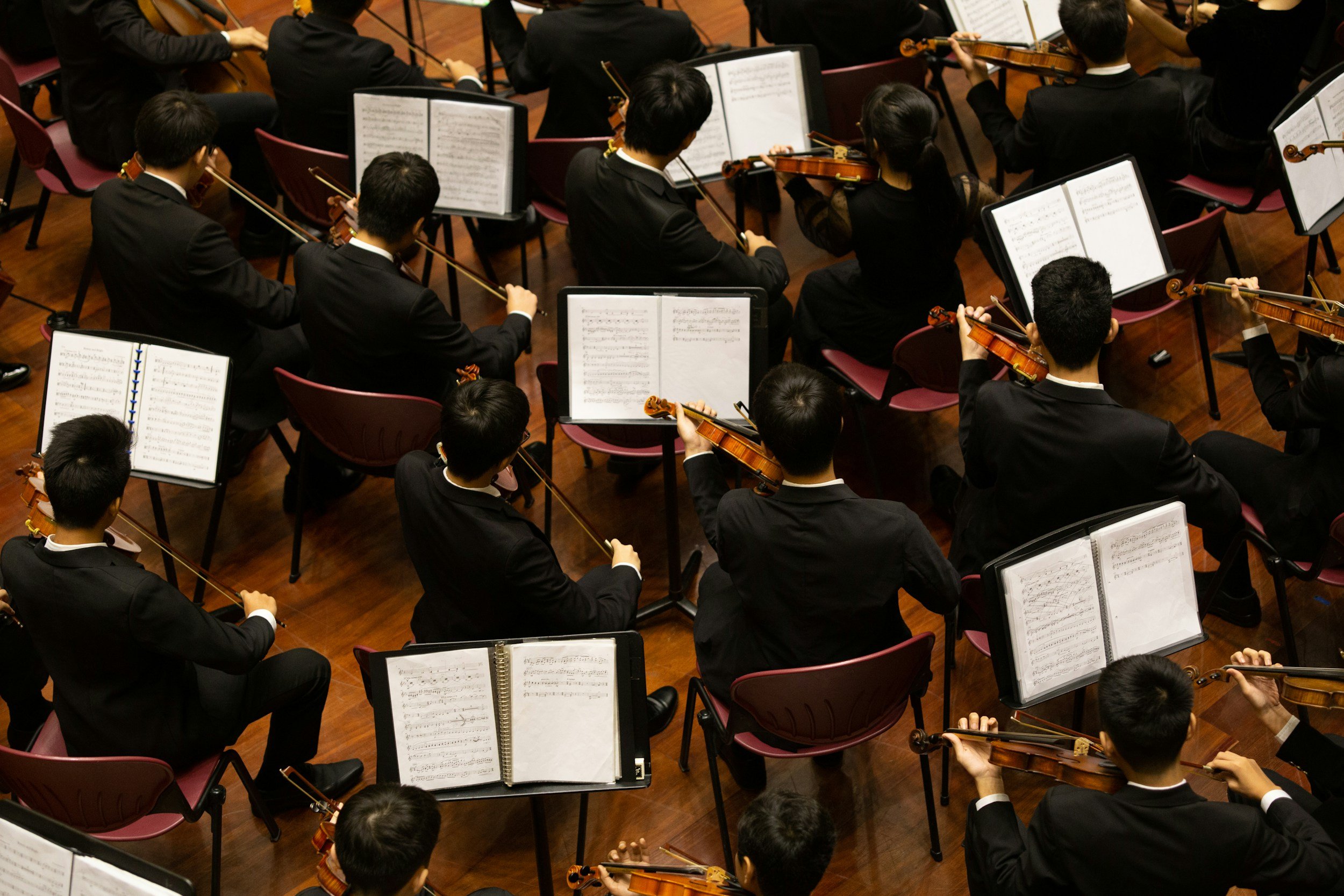

More Than an Arrangement
Creating an orchestral show that feels authentic to you and your music requires much more than writing some string parts and putting musicians onstage.
It begins with a creative vision. What should your music become? What should the orchestra bring to it? Where should it support you, where should it take the lead, and where might it transform the music entirely? What should remain exactly as it is?
Then that vision has to become something real. Arrangers need to be chosen and guided. Scores and parts need to be written. The right orchestra and conductor need to be assembled. Rehearsals have to be planned around the very different ways bands and orchestras prepare. Tracks, click, monitoring and amplification have to work together. And if the show travels, the musical and production model needs to travel with it.
These are two very different musical worlds. Artists, bands and touring productions have their own language, rhythms and ways of working. So do orchestras, conductors, arrangers and classical musicians. Success will take understanding, experience, and time.
It’s About The Music
Every project must start and end with the music. We want audiences to walk away blown away, because the music was incredible.
I only take on projects where I am deeply familiar with and connected to your work and your voice. It’s important to me that I show up as a fan first - with a genuine understanding of what makes your music yours: its influences, its language, its emotions, and the things that should never be lost in translation.
That connection matters. I’m not discovering your music because we’ve decided to work together. I want to work together because I already care about the music, and I want this to succeed because I’m a fan.
Understand Both Worlds
Artists and orchestras come from very different musical worlds.
Bands, touring crews and contemporary music production have one way of creating and performing. Orchestras, conductors and arrangers have another. Each has its own language, expectations, workflows and culture.
I know both worlds. I understand how orchestras think, prepare and perform - and how those processes need to adapt when they meet an artist, a band and a contemporary production environment.
I work in the space between them, helping artists and orchestras understand one another, work together, and ultimately sound like they belong together.
What It Takes
-
What should your music become? Establish the sound, repertoire, orchestral language, and relationship between artist, band, electronics, and orchestra.
I’ll share classical and contemporary inspirations, we’ll sit at a piano together and brainstorm, and I’ll create sketches of ideas for us to react to. We’re laying the foundation for where we’re heading long before we add to the team (and costs).
-
Now we’ll work to find the right arranger. I’ll shortlist and match you with the right arranger who can begin translating the creative vision and developing arrangements that match your vision of the show. In some cases, I can even create arrangements myself!
-
Next, we’ll determine the right instrumentation and ensemble size, then identify, assemble, and contract the musicians needed for each performance. We need to consider stage/venue, balance of sound, union/non-union, equipment rentals, and several other variables here!
-
In addition to the orchestra, it is always recommended to have a consistent music director (conductor) across markets. In some cases, having a consistent concertmaster, percussionist, or other specialist may also be advisable. It’s my job to identify and enage the best fits for these roles - you’ll be spending significant time with them throughout the process.
-
As we near the performance date(s), we’ll need to build a process that respects how orchestras prepare while integrating the artist, band, conductor, arranger, and production team.
-
Tracks. Click. Playback. Monitoring. Microphones. Amplification. An orchestra onstage introduces a very different set of technical requirements than a band alone. We’ll want to engage experienced audio engineers and support team to ensure every musician on stage is equipped to perform at their best.
-
Budgets, schedules, personnel, venues, rehearsals, equipment, contracting, travel - the infrastructure required to get dozens of people onto the same stage at the same time. I will work closely with your management to instill predictability and minimize suprises throughout the project.
-
We’re finally ready to get the first show onstage successfully. However, the journey may only be starting now across a tour and many markets. Throughout all stages, we need to mindful of a repeatable model to maintain the musical vision and production quality even when musicians, venues, or markets change.
What I Do
I’m the producer who brings all of it together.
I serve as the orchestral producer for the project, working alongside you the artist, your management and your music team from the earliest creative conversations through the final performance.
My role isn't to replace the arranger, conductor, orchestra, production team or audio engineers. It's to make sure all of them are working toward the same (your!) artistic vision.
I help define what we're making, assemble the right musical and production team to make it, and oversee the orchestral workstream as the project moves from idea to arrangement, rehearsal and performance.
Depending on the project, that can mean developing the orchestral concept, selecting and managing arrangers, building budgets and timelines, assembling orchestras, identifying conductors, coordinating recordings and tracks, planning rehearsals, working with audio and production teams, overseeing performances, and creating a model that can travel from one stage to the next.
One person connecting the music, the artist, the orchestra and the production.
Selected Productions
-
![]()
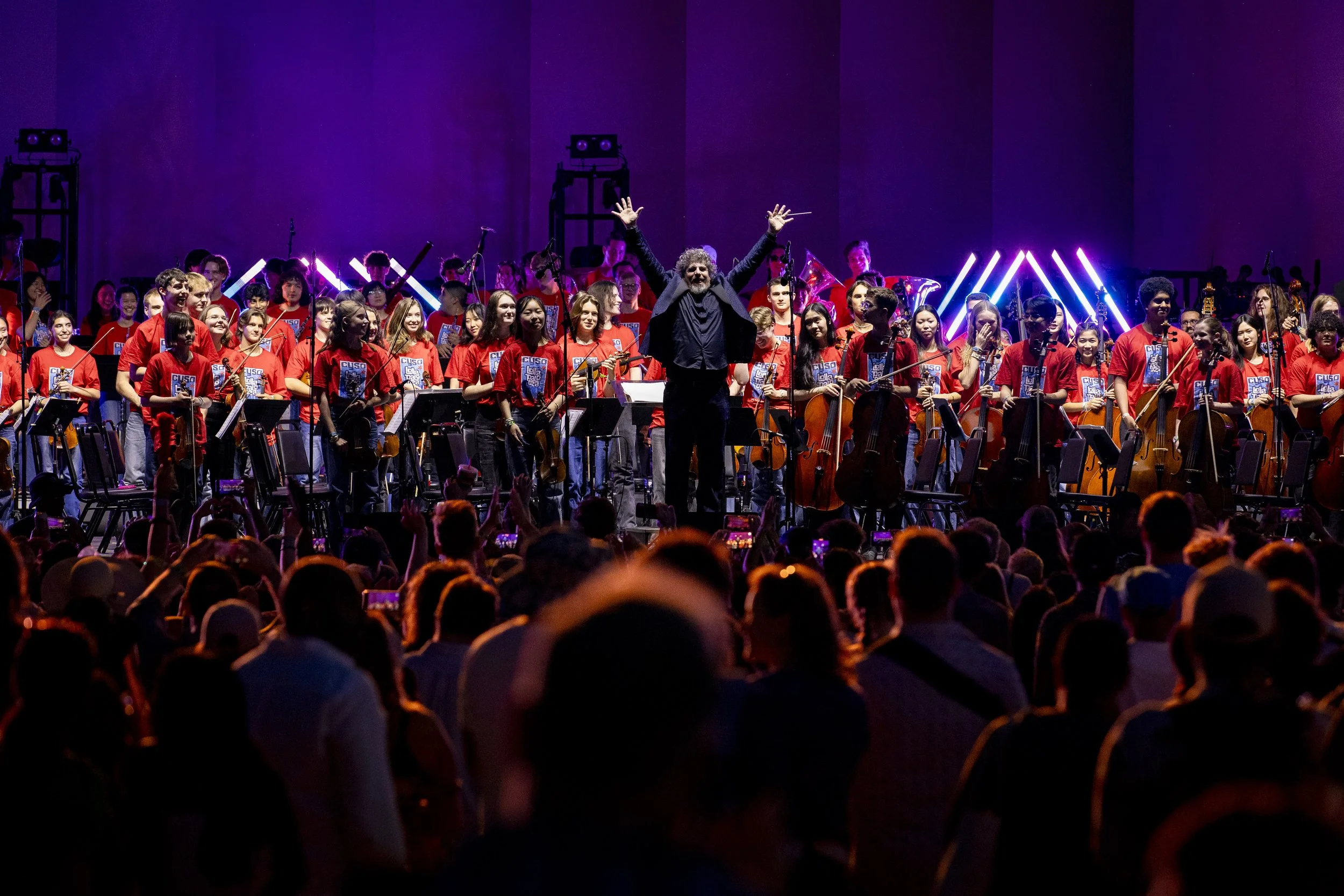
Festival Orchestra
2025 & 2026 · Chicago
Produced the orchestral component of performances at Lollapalooza Chicago, bringing a symphony orchestra into a major contemporary music festival environment. Work spanned artistic planning, repertoire and arrangements, orchestra coordination, rehearsals, audio, production, and artist and festival integration.
-
![]()
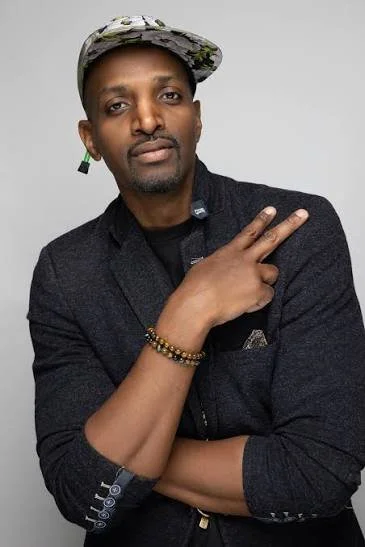
J. Ivy + Orchestra
2026 · Chicago
Developed an orchestral collaboration with Grammy Award-winning poet and artist J. Ivy, bringing together spoken word, contemporary music and symphony orchestra. Led the orchestral production from early creative development and arrangements through rehearsals, technical coordination and performance planning.
-
![]()
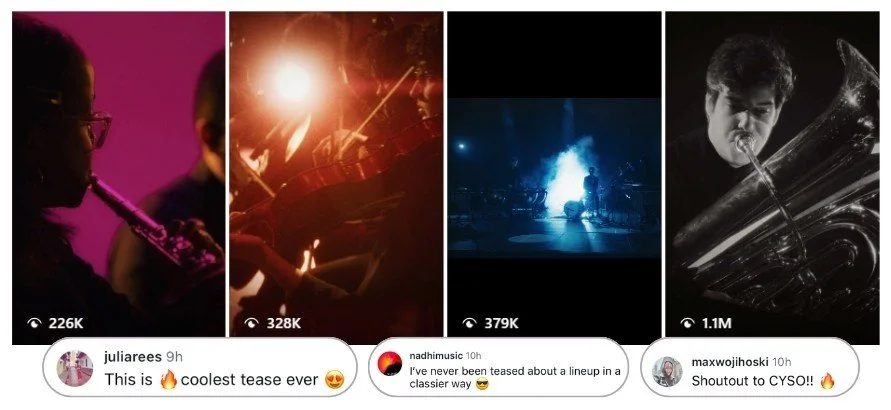
Marketing Campaign - "The Drop"
2025 · C3 Presents
Produced a series of chamber music performances created for the Lollapalooza lineup announcement. Brought together musicians, arrangers, venues, repertoire and the C3 creative and marketing teams to create short-form videos reimagining music from festival artists through a classical lens.
-
![]()
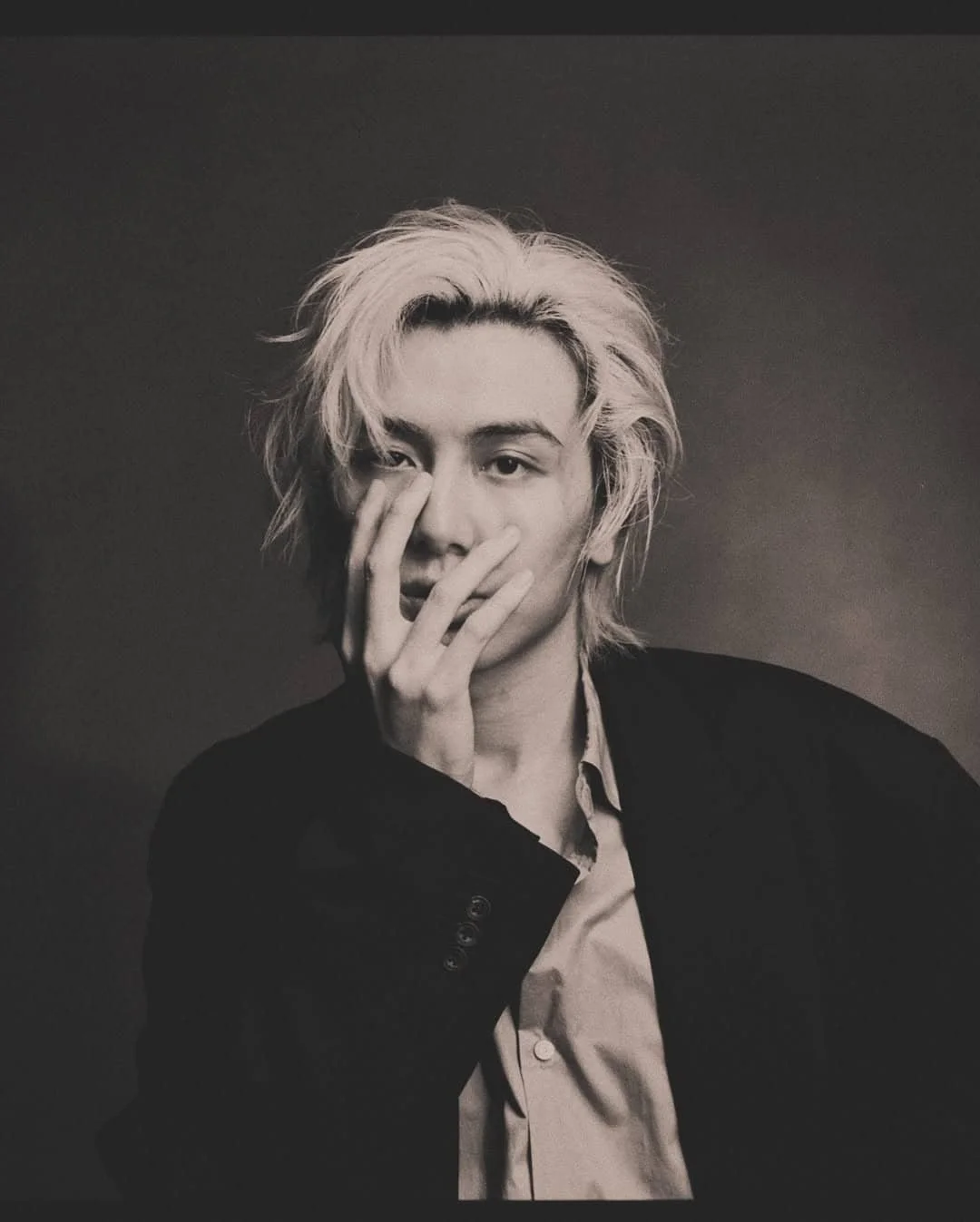
Fujii Kaze
2025 · The Vic Theater, Chicago
Produced a chamber ensemble performance for Fujii Kaze’s sold-out Chicago show - his first-ever opening act. Developed and coordinated the musicians, repertoire, arrangements and production to create an unexpected musical opening tailored specifically to the artist and the evening.